
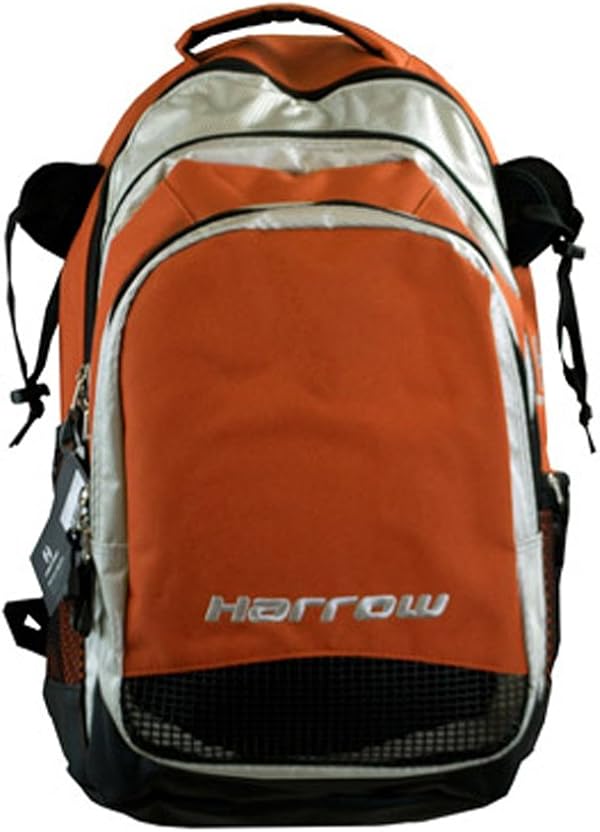
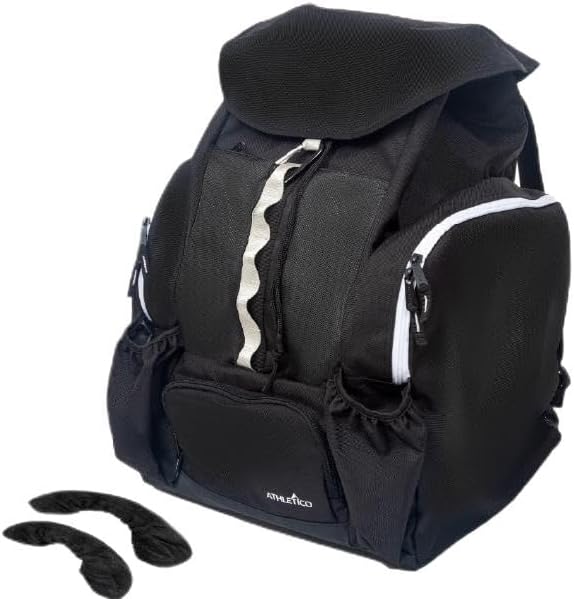
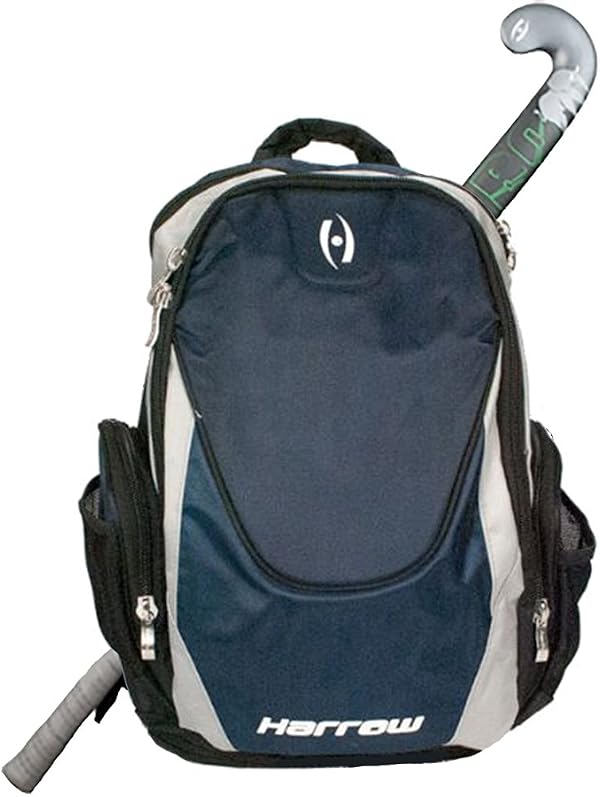
A hockey backpack carries skates, pads, gloves and a helmet in a bag you wear on your back, leaving your hands free for your stick. Hockey gear is bulky and gets wet, so a good hockey backpack is built for both: a large main compartment, separate pockets for skates and helmet, and ventilation that lets damp equipment air out between games.
Below you can compare hockey backpacks side by side by capacity, weight, price and features. Pick any two and click compare to see their specifications next to each other.
What to look for in a hockey backpack
Ventilation. Mesh panels or vented compartments let sweaty pads and gloves dry out and help keep odours down. Avoid packing wet gear in a bag with no airflow.
Skate compartment. A separate, often reinforced pocket keeps skate blades away from the rest of your equipment. Use blade guards as well, so the edges don't cut through fabric.
Stick holder. Straps or clips on the outside let you carry one or two sticks with the bag. Compare backpacks with a stick holder.
Helmet holder. An external strap or pocket for the helmet frees up space inside. See backpacks with a helmet holder.
Durable base. A tough, water-resistant bottom stands up to wet rink floors and car parks.
Junior vs senior sizes
Youth and junior bags are smaller and lighter, sized for smaller pads and skates. Senior bags hold full-size equipment, and goalies usually need the largest bags or a wheeled bag. Compare the capacity and dimensions below to find the right size.
Hockey backpack or wheeled bag?
A backpack is easiest to carry up stairs, onto a bus and across snowy car parks. Players with a lot of gear, especially goalies, often prefer a bag with wheels. If you want both, have a look at rolling backpacks.
How to choose the right hockey backpack
Make sure it fits your skates and pads first, then look for ventilation, a skate pocket and a stick holder. After that, compare capacity, weight and price. Field hockey and lacrosse players may also like our lacrosse backpacks.